Air Purifier for Bedroom NZ: Noise, Sleep Mode and What Matters Overnight
Air Purifier for Bedroom NZ: Noise, Sleep Mode and What Matters Overnight
It's late, the lights are low and the house has finally gone quiet. Suddenly, the fan you barely noticed during the day seems louder beside your bed. On a still evening, even a soft hum can stand out. Choosing an air purifier for a bedroom in NZ is about more than the lowest noise figure.
Look for comfortable sound, enough airflow, night-time controls and well-maintained filters. Our TherapyAir iOn brings these considerations together with a dedicated Bedtime Mode. You can also browse our air purifiers before deciding what suits your space.
Before bed: Give your air purifier a head start
While you're putting away laundry and closing the curtains, try running your purifier at a suitable higher fan speed. Extra fan sound may be less noticeable then than when your head is on the pillow.
Higher speeds generally move more air through the filters. Starting earlier lets the purifier filter more room air before you choose a gentler setting. There's no fixed number of minutes for every bedroom.
Room size matters. An undersized purifier may need to run harder to move enough air. We recommend checking your floor area rather than choosing on noise alone. TherapyAir iOn has recommended coverage of up to 26 m² at five air changes per hour under its stated rating conditions. That's not a Bedtime Mode airflow rating.
For larger rooms or high ceilings, our guide to choosing an air purifier in NZ covers sizing in more detail. Give the purifier a head start, then adjust it to a comfortable night-time sound.
Lights out: How quiet should a bedroom air purifier be?
Air purifier noise level is measured in decibels, or dB. A lower figure generally means less sound. But a published minimum may not match the sound on the setting you actually use.
TherapyAir iOn has a published operating noise range of 21 dB minimum to 46 dB maximum. That gives you a useful starting point, although the exact Bedtime Mode level is not separately specified. We don't treat 21 dB as its measured bedtime sound.
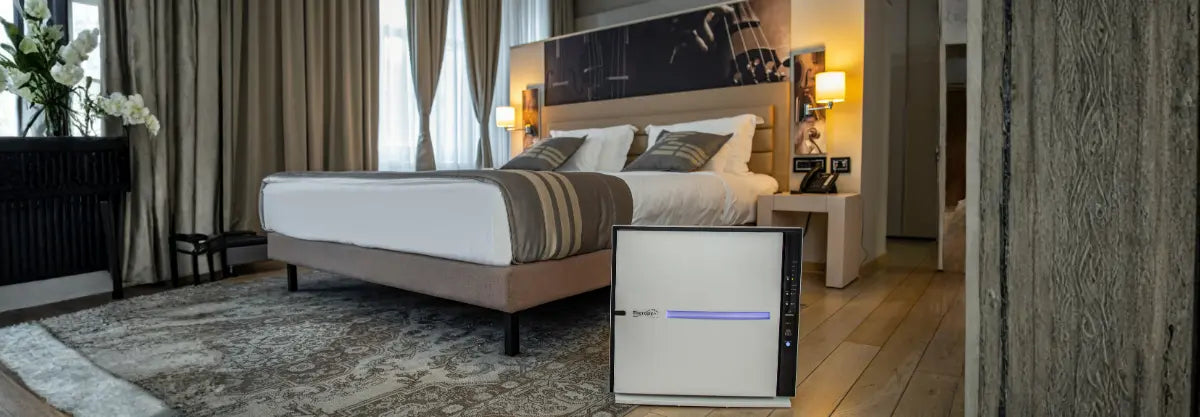
Some people like a steady fan sound but notice changes in speed. Others prefer near silence. You and your partner may feel differently about the same setting. If you can, consider where the unit will sit in relation to the bed, rather than judging sound from a number alone.
Lights and drafts matter too. An indicator can stand out in a dark room, while airflow aimed at your pillow may feel distracting. Keep the purifier's inlets and outlets clear and avoid blowing air directly at you. Our bedroom air purifier placement tips can help.
The quietest setting isn't always best if it moves too little air. Balance comfort with useful filtration.
What our TherapyAir iOn brings to a quiet NZ bedroom
We think TherapyAir iOn is a strong premium bedroom option. Its published 21 to 46 dB operating range is useful to know, and its dedicated Bedtime Mode offers a quieter night-time option when sound matters most.
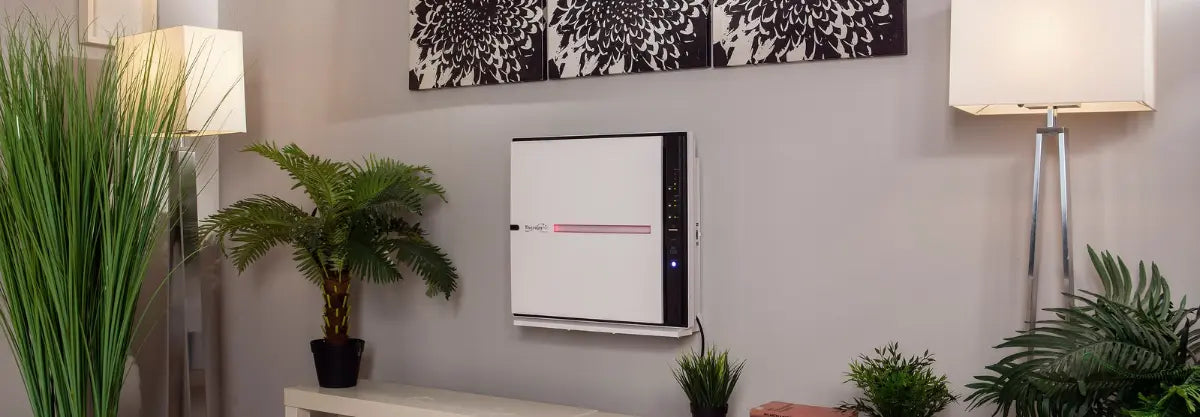
The remote lets you change settings without getting out of bed. We also like the wall-mounting option when floor space is tight. Keep enough clearance for airflow.
Inside, the five-stage system brings together antistatic, antibacterial, HEPA, anti-allergenic and activated-carbon filters. That means particle filtration for airborne dust and pollen, alongside an activated-carbon stage for some odours. There's also a negative ion generator, but we focus on the physical filters for particle removal.
The up-to-26 m² coverage figure at five air changes per hour gives you a clear room-size reference. It isn't a claim about overnight airflow in Bedtime Mode.
For long-term ownership, our extended 10-year warranty is conditional on using original Zepter filters, replacing them at least annually in line with the recommended period, and keeping proof of the appliance purchase and filter purchases and replacements. Proper maintenance helps protect your investment.
At 2am: Is the quietest setting still cleaning the air?
Yes. A quieter fan can still filter air, but it generally moves less through the filters each hour than a faster setting.
A headline airflow or clean air delivery rate (CADR) figure doesn't necessarily apply to the quietest setting. TherapyAir iOn's room coverage isn't a separate Bedtime Mode rating either.
Think about the whole night. A suitable purifier can filter more before bed, then continue at a comfortable setting. TherapyAir iOn offers Bedtime Mode plus the flexibility to use faster settings. The quieter choice is still useful; it simply shouldn't be mistaken for the airflow of the highest setting.
If exact Bedtime Mode sound or display lighting is important, ask our team before ordering. We're happy to help you check.
In the morning: What should you expect from an overnight air purifier?
You may wake up noticing nothing dramatic. That's fine. While running, a bedroom air purifier draws air through its filters and can help reduce airborne dust, pollen and some smoke particles.
Bedding, clothing and outdoor air can all bring particles into the bedroom. We like TherapyAir iOn's HEPA and layered filtration for that reason. Its activated-carbon stage may help with some odours, depending on conditions and filter capacity.
A purifier doesn't fix the cause of dampness or replace a dehumidifier. Ordinary particle filters also won't remove carbon dioxide building up in a closed room. Fresh-air ventilation still matters when outdoor conditions allow. For example, you may prefer to air the room at a time when outside smoke or pollen is less of a concern.
Keep the air path clear, follow care instructions and replace filters when needed. We stock the compatible Therapy Air Ion filter set to help you keep it maintained. Replacement timing depends on home conditions, with at least annual original-filter replacement required for the extended warranty.
Questions we hear about bedroom air purifiers
Is an air purifier worth using in a bedroom?
Yes, if it's appropriately sized and maintained, a bedroom air purifier can help reduce airborne particles such as dust and pollen. Running it consistently gives the filters more opportunities to clean the room air. We recommend choosing a setting you find comfortable enough to use, rather than relying on occasional short bursts.
How quiet should an air purifier be for sleeping?
Look at the published dB range, but also think about the sound on the setting you would actually use. People have different noise preferences. TherapyAir iOn is rated from 21 dB minimum to 46 dB maximum, although its exact Bedtime Mode noise level isn't separately stated.
Does an air purifier still work in sleep mode?
Generally, yes. In a quieter sleep setting, the fan can still move room air through the filters. However, a slower fan typically filters less air per hour than a faster one. It's worth matching the purifier to your bedroom size so you don't have to choose between very low noise and useful airflow.
Should I leave an air purifier on all night?
You can consider running a bedroom purifier overnight when its instructions allow continuous use, the fan setting feels comfortable and the unit is properly maintained. Longer running time can mean more air passes through the filters. But you don't have to run one all night in every room or every situation.
Can a bedroom air purifier replace opening a window?
No. A purifier filters air already in the room; opening a window or using suitable ventilation brings in fresh air. Ordinary particle filters don't remove carbon dioxide, and they don't fix the cause of dampness. Use filtration alongside sensible ventilation, taking outdoor air quality and weather into account.
Next steps
A good bedroom air purifier should be comfortable when the house is quiet, appropriately sized and easy to maintain.
We're proud to offer TherapyAir iOn as a premium option. Its 21 to 46 dB range, Bedtime Mode, layered filters and remote make it worth exploring. Check your room dimensions and think about where you'll place it.
Ready to make cleaner bedroom air part of your evenings? Explore TherapyAir iOn today.
References
Consumer NZ: Air purifier buying guide