HEPA Filter NZ: The Homeowner's Guide to Cleaner Indoor Air
HEPA Filter in NZ: What It Is, How It Works, and How to Choose
If you want a simpler answer first, a HEPA filter is a high efficiency particle filter used in many air purifiers. In a New Zealand home, it can help reduce airborne particles such as dust, pollen, pet dander, mould spores, and fine smoke particles in the room where the purifier is running. The right unit still needs the right room size, airflow, and filter changes to work well.
For many households, the best starting point is to look at a dedicated air purifier collection and compare it with a genuine replacement HEPA filter so you can see both the machine and the filter system it depends on.
What is a HEPA filter?
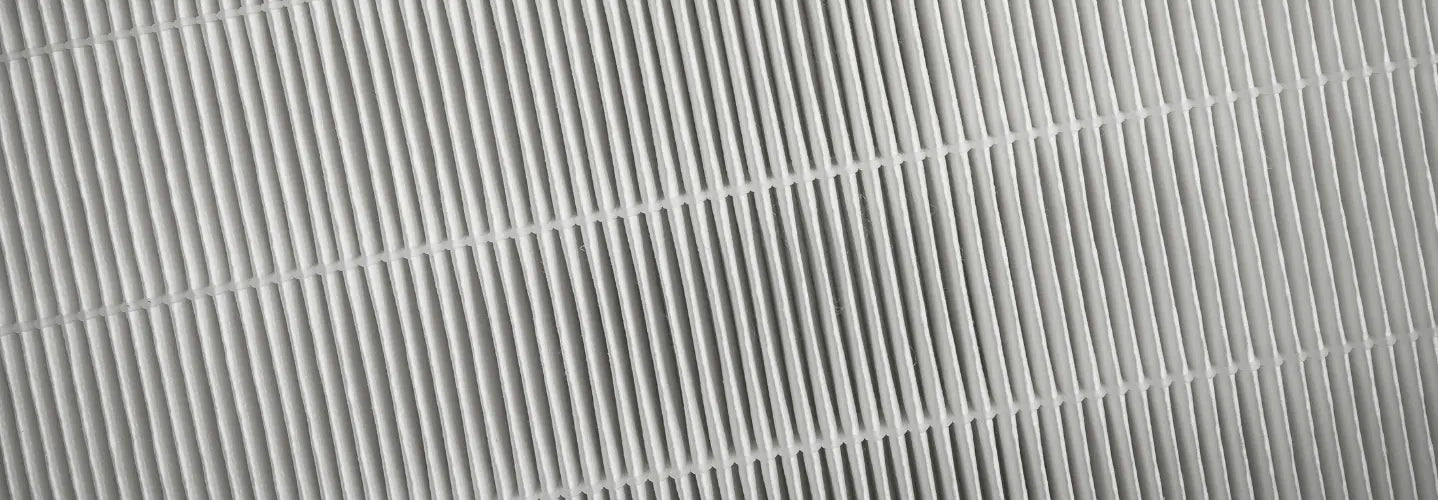
HEPA stands for high efficiency particulate air. In everyday terms, it is a tightly pleated filter designed to trap very small airborne particles as air passes through it. A true HEPA filter is commonly defined as removing at least 99.97 percent of particles at 0.3 microns, which is the hardest particle size to capture. Larger and smaller particles can also be trapped at very high rates because filters catch particles in more than one way.
That matters in NZ homes because indoor air can be affected by outdoor pollution, seasonal pollen, pet dander, cooking particles, dampness, and smoke from nearby burning or wildfire events. For people who are sensitive to airborne particles, a HEPA-based purifier can be a practical part of a broader indoor air quality setup.
How a HEPA filter works
A HEPA filter is not a sieve with perfectly round holes. Instead, it is a dense maze of fibres. As polluted air moves through the filter, particles are captured by interception, impaction, and diffusion. The result is that many particles stay in the filter while cleaner air circulates back into the room.
Most home air purifiers combine a pre-filter with the HEPA stage. The pre-filter catches larger debris like hair and lint, which helps extend the life of the main filter. Some systems also add activated carbon for smells and gases. That distinction matters: HEPA is mainly for particles, while carbon is usually the better tool for odours and some gaseous pollutants.
If you are comparing filter stages, our guide to air purifier filters can help you understand what each layer is meant to do before you buy.
What a HEPA filter can remove, and what it will not remove well
A good HEPA filter can help reduce airborne dust, pollen, pet dander, smoke particles, and some mould spores in the room where the purifier is used. It can also help lower the amount of particulate matter that keeps recirculating indoors.
What it does not do as well on its own is remove gases, VOCs, or stubborn odours. If your main problem is cooking smell, chemical smell, or traffic fumes, you will usually want activated carbon alongside HEPA. A purifier also cannot fix the source of the problem by itself. If mould is growing because of a leak or persistent condensation, the leak and moisture issue still need to be addressed. Likewise, a purifier is not a substitute for ventilation, extraction in kitchens and bathrooms, or routine cleaning.
Why HEPA filters are not in every home
HEPA filters are common, but they are not automatic purchases for every household. The main reasons are practical. First, a properly sized unit can cost more than people expect, especially when you add replacement filters over time. Second, portable air purifiers usually clean one room well rather than an entire house, so placement matters. Third, some people buy a unit based on marketing claims instead of room size and airflow, then feel disappointed when performance falls short. Noise, electricity use, and maintenance can also put people off.
That does not mean HEPA is rarely used because it is ineffective. More often, it means people need clearer guidance on sizing, filter quality, and where a purifier fits within a full indoor air quality plan.
How to choose a HEPA filter or air purifier in NZ
1. Match the purifier to the room
The most important buying factor is not the word HEPA on the box. It is whether the unit is strong enough for the room where you will use it. Check the recommended room size and the CADR, which stands for clean air delivery rate. In practical terms, CADR helps you compare how quickly a purifier can clean air for particles like dust, pollen, and smoke.
2. Think about your main pollutant
If your concern is pollen, dust, pet dander, or smoke particles, HEPA should be the core filter stage. If you also care about smells or gases, look for a meaningful activated carbon stage rather than relying on HEPA alone.
3. Check filter replacement availability
A purifier is only as useful as the replacement filters you can still get next year. We recommend checking that brand-matched filters are available and easy to reorder. That is especially important if you are buying for seasonal allergy support or regular smoke events.
4. Consider noise and day to day use
Many people want maximum cleaning on paper, but in real life they need a machine they will actually keep running. A purifier that is too noisy for a bedroom or study may end up turned off. A slightly larger, quieter unit on a lower speed can be the better choice.
5. Avoid weak shortcuts
Be cautious with vague claims about ionising, sanitising, or odour removal if there is little detail about filtration performance. For most homes, a straightforward mechanical filtration setup is easier to understand and easier to maintain.
For a broader product comparison, see our guides to the best air purifier filter options in NZ and how to choose an air purifier in NZ.
HEPA vs activated carbon
This is one of the most common points of confusion. HEPA and activated carbon do different jobs.
- HEPA: best for airborne particles such as dust, pollen, pet dander, and smoke particles.
- Activated carbon: better for odours, smoke smell, and some gases or VOCs.
If your home has both particles and smells, a combined system usually makes more sense than choosing one or the other. That is also why replacement cost matters: a purifier with multiple filter stages can do more, but it may cost more to maintain.
How much does a HEPA filter cost to run and maintain in NZ?
Running cost has two parts: electricity and filters. Electricity use depends on fan speed, hours of use, and the model, while maintenance depends on how often the pre-filter, HEPA filter, and any carbon filter need replacing. In many homes, filter replacement is the bigger ongoing cost. Smoke, pets, renovations, and dusty conditions can shorten filter life.
We suggest budgeting for the machine and at least one year of replacement filters before buying. That gives you a more realistic view of ownership cost than focusing only on the initial price. If cost planning is your next question, our article on air purifier cost in NZ is a useful next read.
How often should you replace a HEPA filter?
There is no one replacement schedule that suits every home. Some filters last many months, while others need changing sooner because of higher pollutant loads or heavier daily use. The best rule is to follow the manufacturer's guidance, watch the filter indicator if your unit has one, and replace sooner if airflow drops, odours linger, or the unit is working in unusually smoky or dusty conditions.
If you want a deeper walkthrough, we cover the signs and timing in how often to replace an air purifier filter.
Can you wash a HEPA filter?
Usually, no. Most true HEPA filters used in home air purifiers are not designed to be washed. Washing can damage the filter media and reduce performance even if the filter looks intact afterward. Some purifiers have washable pre-filters, but that is different from washing the HEPA stage itself. Always check the product instructions for your exact model before cleaning any filter.
Do HEPA filters help with allergies?
They can help reduce airborne allergen particles in the room where the purifier operates, which may make the space feel more comfortable for some people. But we do not view a purifier as a stand-alone fix. Bedding, vacuuming, humidity control, ventilation, and source reduction still matter. The most useful mindset is to treat HEPA as one tool within a wider clean-air routine.
Should you avoid ozone-generating air cleaners?
In general, yes. We recommend avoiding air cleaners that intentionally produce ozone for occupied indoor spaces. A safer path for most homes is a mechanical filtration system built around HEPA, with activated carbon added when odours or gases are part of the problem.
HEPA filter myths worth ignoring
Myth 1: HEPA removes everything
No filter removes every pollutant. HEPA is excellent for particles, but not for all gases, odours, or moisture problems.
Myth 2: The highest fan speed is always best
Only if you can live with the noise and keep the unit running. Consistent daily use usually matters more than short bursts at maximum speed.
Myth 3: Any purifier labelled HEPA will suit any room
Room size and airflow still decide whether the purifier will perform well in your actual space.
FAQs
What is a HEPA filter?
A HEPA filter is a high efficiency particulate air filter designed to capture very small airborne particles such as dust, pollen, pet dander, mould spores, and smoke particles.
What are the two disadvantages of HEPA filters?
Two common drawbacks are ongoing replacement cost and the fact that HEPA alone does not remove gases or odours very well.
Why are HEPA filters rarely used in homes?
They are not truly rare, but some households skip them because of upfront cost, replacement filters, noise concerns, or because one portable unit usually cleans only one room well.
Can a HEPA filter be washed?
Usually not. Most true HEPA filters in home air purifiers are not washable and can be damaged by washing.
What does a HEPA filter remove, and what will it not remove well?
A HEPA filter is best for airborne particles such as dust, pollen, pet dander, mould spores, and smoke particles. It does not remove gases, VOCs, or strong odours well on its own.
How much does it cost to run and maintain a HEPA filter in NZ?
The total cost depends on electricity use, fan speed, hours of operation, and how often you replace the filters. In many homes, replacement filters are the main ongoing cost.
How often do you need to replace a HEPA filter?
Replacement timing varies by model and home conditions, so the safest approach is to follow the manufacturer guidance and replace sooner if airflow drops or the filter is heavily loaded.
How do I choose between HEPA and activated carbon?
Choose HEPA for airborne particles and choose activated carbon for odours and some gases. If you need help with both, a purifier that combines the two is usually the better fit.
Next steps
- Read our guide to the best air purifier filter options in NZ
- Learn how to choose an air purifier in NZ
- Compare an air purifier vs air conditioner
- Compare an air purifier vs dehumidifier
- See when to replace your air purifier filter
References
- US EPA: What is a HEPA filter?
- US EPA: Air Cleaners and Air Filters in the Home
- AHAM: Using CADR to Improve Indoor Air Quality
- California Air Resources Board: Air Cleaning Devices for the Home
- California Air Resources Board: Indoor Air Cleaners for Removal of Odors and Gases
- Asthma and Respiratory Foundation NZ: Improving indoor air quality vital for New Zealanders' respiratory health