Air Purifier for Allergies NZ: Match Pollen, Dust and Pet Dander to the Right Room Setup
Air Purifier for Allergies NZ: Match Pollen, Dust and Pet Dander to the Right Room Setup
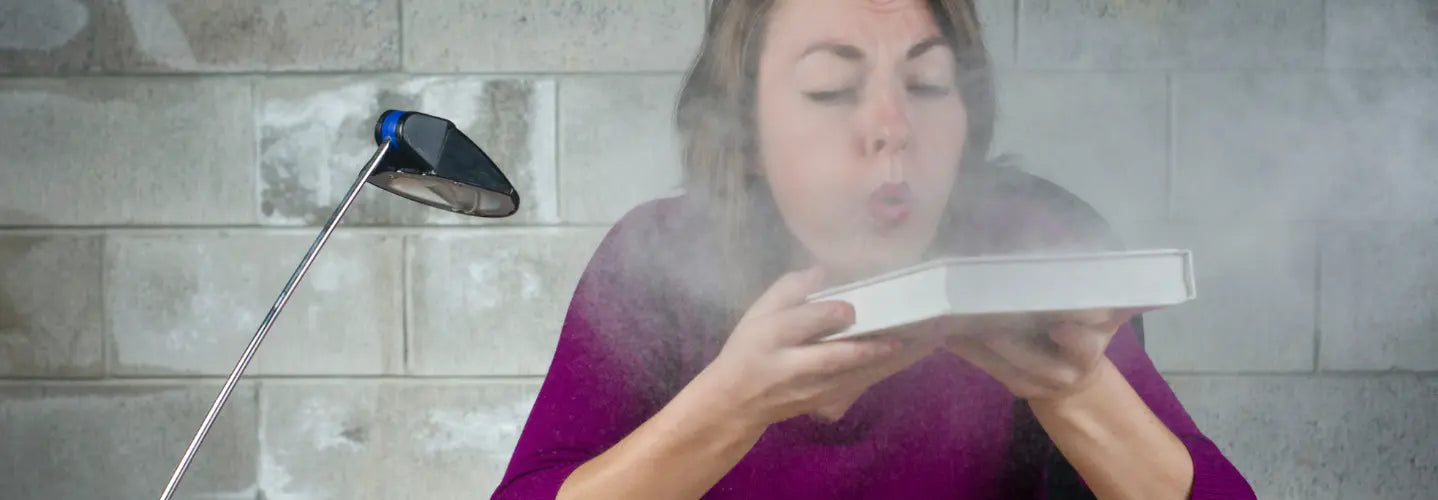
It is a bright spring morning in a typical Kiwi home. Someone wakes with an irritated nose and watery eyes. The dog was curled beside the bed overnight, a window was left open for fresh air, and a pale cloud of dust appears when the duvet is pulled back. There is already one purifier in the house, but no one knows whether it belongs in the bedroom, lounge or home office.
That mix of pollen, pet material and dust is exactly why the first decision should not be which purifier looks best. Start by asking what is becoming airborne, where the longest exposure happens, and what is already settled into bedding or soft furnishings.
Direct answer: A correctly selected, positioned and maintained air purifier can reduce airborne pollen, dust and pet dander in the room where it operates. It cannot remove allergens already settled in bedding, carpet or furniture, eliminate allergies, replace source control or substitute for medical advice.
What a purifier can change in an allergy-focused room
An air purifier works on air that reaches the unit, passes through its filters and returns to the room. It can reduce some airborne particles during that cycle, but performance depends on the purifier fitting the room, having clear airflow, running for enough time and using filters that are in good condition.
This makes a portable purifier a room-level tool, not a whole-house reset button. For an overview of available room-air options, browse our air purifier collection.
Filtration is most useful when it sits alongside source control. That could mean keeping a pet out of the bedroom, washing bedding, damp-dusting, vacuuming appropriately, checking pollen-entry habits and dealing with moisture at its source. For persistent, severe or asthma-related symptoms, seek advice from a qualified health professional.
Airborne versus settled: the distinction most buying guides miss
The same allergen can behave differently during the day. Pollen may enter through a window and float in room air, then settle on a curtain or pillow. Pet dander may circulate while people and animals move, then build up in carpet and upholstery. Dust-mite allergen can become airborne when bedding is disturbed, even though the mites themselves mainly live in soft furnishings.
| Where the material is | Common examples | What filtration may support | What needs direct action |
|---|---|---|---|
| Airborne | Pollen entering a room, fine dust disturbed during cleaning, pet dander circulating in occupied areas | Capture of some particles that pass through the unit | Reduce ongoing entry and disturbance where practical |
| Settled | Allergens in bedding, carpets, curtains, sofas and pet sleeping areas | Limited support only after material becomes airborne again | Laundry, suitable cleaning, pet boundaries, ventilation choices and moisture management |
A useful rule is simple: filter the airborne fraction and directly manage the settled reservoir. One does not replace the other.
Build your three-trigger map
Before choosing an allergy air purifier in NZ, identify the trigger that best matches the room and routine. You may have more than one, but one usually deserves first attention.
| Trigger | Where it comes from | How it becomes airborne | Where it collects | Best first room | What filtration can address | What to control at the source |
|---|---|---|---|---|---|---|
| Pollen | Outdoor grasses, trees and other plants | Open windows and doors, clothing, hair and pets returning indoors | Curtains, bedding, floors and upholstered furniture | Bedroom when morning exposure dominates | Some airborne pollen passing through the particle filters | Window timing, outdoor clothing, hair washing and laundry habits |
| Pet dander | Skin flakes and other pet-related material | Pet movement, brushing, play, vacuuming and people moving through the room | Pet beds, carpet, sofas, bedding and clothing | The room where the pet and household spend the longest continuous period | Some airborne dander and related particles that reach the unit | Pet-free sleeping areas, washable pet bedding and suitable surface cleaning |
| Dust and dust-mite allergen | Household dust and allergen associated with dust mites in soft furnishings | Making the bed, walking on carpet, dusting and vacuuming | Mattresses, pillows, bedding, carpets, curtains and soft toys | Bedroom when bedding is the main exposure reservoir | Some airborne dust and dust-mite allergen after disturbance | Bedding care, suitable covers, damp-dusting, vacuuming and moisture control |
An air purifier does not remove dust mites from a mattress or pillow. It may capture some airborne dust-mite allergen after the material is disturbed, while the main reservoir still needs direct bedding and furnishing management.
Choose the first room, not the whole house
A portable purifier normally has the best chance of doing useful work when it stays in one priority room for a meaningful block of time.
- Overnight exposure pattern: prioritise the bedroom. This is usually the logical starting point when irritation is strongest on waking, the pet sleeps nearby or bedding is a likely reservoir.
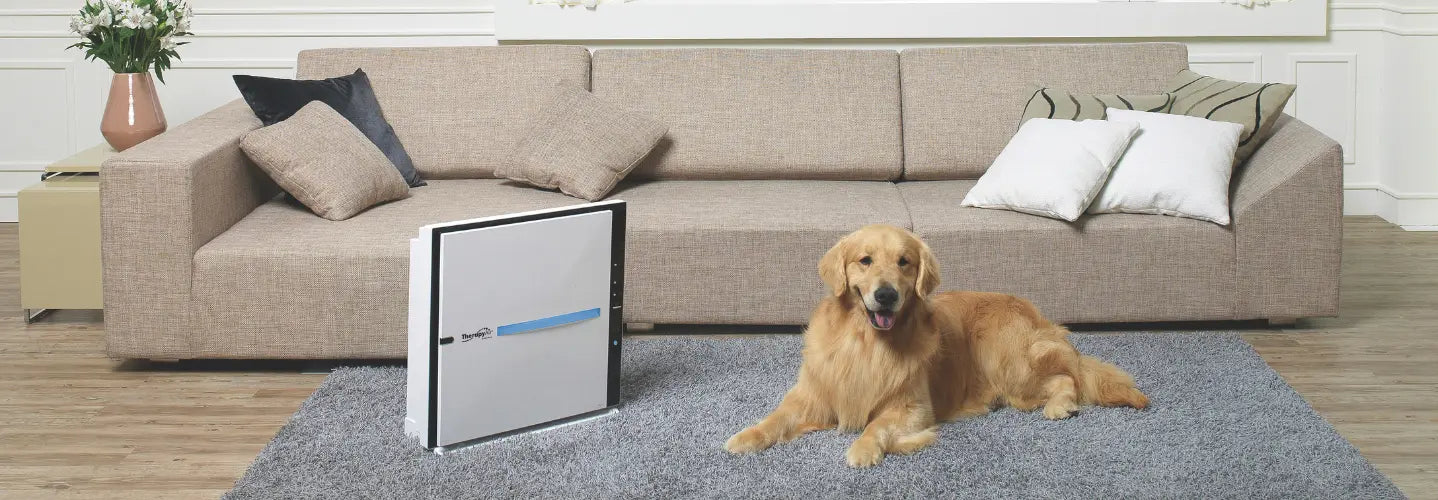
- Pet spends most time in one shared room: consider the lounge. Place the unit where room air can reach it, not behind the sofa or inside furniture.
- Main exposure period is during work: consider the home office. Choose a position that does not block the intake or create an uncomfortable draft.
- Several rooms are involved: start with the room occupied for the longest continuous period, then review whether that choice is practical before moving the purifier around.
For detailed bedroom, lounge and office positioning, use our NZ home air purifier placement guide. The key point here is to choose the first room based on exposure and time, rather than trying to cover the entire house from a hallway.
Check whether the purifier and room can work together
Once the priority room is clear, check the operating fit before buying. A highly efficient filter cannot compensate for a unit that moves too little air for the space, sits behind a curtain or runs only occasionally.
- Room dimensions: record length, width and ceiling height so you know the approximate air volume.
- Verified manufacturer information: use stated airflow, purification capacity or room guidance from the manufacturer. Do not assume that one specification equals another.
- Door position: a mostly closed bedroom is a different job from an open-plan lounge connected to a kitchen and hallway.
- Window-opening habits: repeated opening during high-pollen periods can add new material faster than a room purifier can address it.
- Clearance: keep the intake and outlet free from curtains, furniture, laundry and walls according to the manual.
- Noise: choose a setting you can tolerate during sleep, calls or focused work.
- Daily operating time: longer practical run time generally means more room air passes through the filters.
- Replacement filters: confirm that the correct filter set is available and affordable to maintain.
The Therapy Air product page uses the manufacturer-stated term maximum purification capacity and lists 328 m3/h. We do not describe that figure as CADR, and we do not convert it into a square-metre recommendation without verified manufacturer guidance.
For help checking a room, send the room dimensions, typical door and window position, main trigger and expected daily run time through our contact page.
Inside Therapy Air's Five-Stage Allergen Pathway
The Therapy Air Ion product page describes a five-stage filtration system. Each stage has a different practical job before air returns to the room.
| Stage | Practical filtration role | Responsible boundary |
|---|---|---|
| 1. Antistatic filter | Handles larger dust, hair and pet-related material before finer stages. | It does not replace vacuuming, laundry or pet-area cleaning. |
| 2. Antibacterial filter | The manufacturer describes this stage as addressing smaller dust particles and pollen. | We use it here as a particle-filtration stage and do not make infection or disease claims. |
| 3. HEPA filter | Targets finer airborne particles that have passed the earlier stages. | Capture depends on particles reaching the unit and passing through the filter. |
| 4. Anti-allergenic filter | This is the manufacturer's named fourth filter stage. | The stage name is not a promise to treat allergies or remove every allergen. |
| 5. Activated-carbon filter | Focuses on odours and gases rather than primary particle filtration. | Carbon does a different job from particle filters such as HEPA. |
Verified product details include 47 W power, a manufacturer-stated noise range of 21 to 46 dB and maximum purification capacity of 328 m3/h. For the extended warranty, original filters must be replaced at least once annually and proof of replacement retained. The replacement set contains two antibacterial filters, one HEPA filter, one anti-allergenic filter and one activated-carbon filter.
A seven-day allergy-room setup routine
This is an operating pathway, not a promise of symptom change within seven days. The goal is to create a setup you can assess and maintain.
| Day | Action | What to record |
|---|---|---|
| Day 1 | Identify the dominant trigger and choose one priority room. | When exposure seems strongest and how long the room is occupied. |
| Day 2 | Remove obvious settled material through appropriate cleaning or laundry. | Bedding, curtains, pet beds, carpet edges and soft furnishings addressed. |
| Day 3 | Set the purifier position and clear the intake and outlet. | Distance from walls, curtains and furniture, following the manual. |
| Day 4 | Establish daytime and overnight operating periods. | Fan setting, noise comfort and actual hours of use. |
| Day 5 | Review windows, doors and pollen-entry habits. | When outdoor air is introduced and whether pollen is carried in on clothes or hair. |
| Day 6 | Review pet movement and sleeping areas. | Whether the bedroom boundary and pet-bed cleaning routine are realistic. |
| Day 7 | Check filter condition, note the maintenance date and review the room choice. | Whether the purifier can run consistently without blocked airflow or disruptive noise. |
What the purifier does not solve
A responsible allergy-room setup includes clear limits. A purifier does not:
- remove dust or allergens already settled on surfaces
- remove dust-mite populations from bedding
- remove all pet allergen embedded in textiles
- stop pollen entering through repeatedly opened windows
- repair moisture problems or active mould
- replace prescribed treatment, allergy testing or professional medical advice
It can form one part of an allergy-aware household routine by reducing some airborne particles that pass through the unit. It is not a treatment for hay fever or asthma, and health outcomes cannot be guaranteed.
Keep the setup working
The best system is the one you will maintain. Use the manufacturer's instructions as the main authority for cleaning and replacement, and keep a simple calendar rather than waiting for airflow to drop.
| Timing | Maintenance check |
|---|---|
| Weekly | Check that the intake and outlet are clear and the unit has not been pushed behind furniture or curtains. |
| Monthly | Inspect accessible filters and surfaces according to the manual. Do not wash or vacuum a filter unless the manufacturer permits it. |
| At seasonal changes | Review whether pollen, pets, heating or changed window habits are increasing the filter load. |
| At the specified replacement point | Replace with the correct filters. Therapy Air original filters must be replaced at least once annually to retain the extended warranty conditions. |
See the air purifier filter replacement schedule for broader maintenance guidance. Therapy Air owners can check the current Therapy Air Ion filter set without duplicating the full replacement guide here.
Purchase checkpoint
Before making a product decision, confirm these eight points:
- your main airborne trigger
- the first room to prioritise
- the room dimensions, including ceiling height
- verified manufacturer airflow, purification capacity or coverage information
- acceptable noise for sleep or work
- a realistic daily operating routine
- replacement-filter availability
- realistic expectations about airborne particles, settled allergens and health outcomes
Frequently asked questions
Do air purifiers help with allergies in NZ?
A correctly selected and maintained purifier can reduce some airborne pollen, dust and pet dander in the room where it operates. Results depend on room fit, airflow, placement, run time and filter condition, and a purifier cannot remove all allergens or treat an allergy.
Which filter is useful for pollen, dust and pet dander?
A particle-filtration pathway that includes a HEPA stage is useful for finer airborne pollen, dust and pet dander that pass through the unit. A pre-filter or larger-particle stage can help with hair and coarse dust, while activated carbon is mainly used for odours and gases.
Can an air purifier remove pet dander from a room?
It can capture some airborne pet dander that reaches and passes through the filters. It cannot remove all pet allergen embedded in carpets, bedding, sofas or clothing, so pet boundaries, laundry and surface cleaning remain important.
Do air purifiers help with dust mites or only airborne dust-mite allergen?
An air purifier does not remove dust-mite populations from mattresses, pillows or soft furnishings. It may capture some airborne dust-mite allergen after bedding, carpet or dust is disturbed, while the settled reservoir needs direct management.
Where should an air purifier be placed for allergies?
Place it in the room where exposure is longest or most relevant, such as the bedroom overnight, lounge around a pet or home office during work. Keep the intake and outlet clear, follow the manufacturer's clearance instructions and avoid hiding the unit behind furniture or curtains.
Should an air purifier run overnight during pollen season?
Running it overnight can be practical when the bedroom is the priority room and the noise setting is comfortable. Longer run time means more room air can pass through the filters, but keep using pollen-entry controls and follow the manufacturer's operating instructions.
Is an air purifier enough for hay fever or asthma?
No. Filtration can form one part of a broader routine that includes trigger reduction, suitable ventilation, cleaning and prescribed care. It does not treat hay fever or asthma, replace medicines or an asthma action plan, or substitute for advice from a qualified health professional.
How often should filters be changed in an allergy-focused home?
Follow the manufacturer's schedule and inspect filters more often when pollen, pets or dust increase the load. Therapy Air original filters must be replaced at least once annually to retain the extended warranty conditions, and replacement may be needed sooner if the manufacturer advises it for your environment.
Next steps
Start with the trigger, not the appliance. Separate what is airborne from what is settled, choose the room with the longest meaningful exposure, check the purifier against the room and build a routine that includes cleaning, source control and filter maintenance. That gives you a more responsible basis for choosing an air purifier for allergies in NZ.