Air Purifier for Smoke NZ: What Matters When Wood-Burner Smoke Gets Indoors
Air Purifier for Smoke NZ: What Matters When Wood-Burner Smoke Gets Indoors
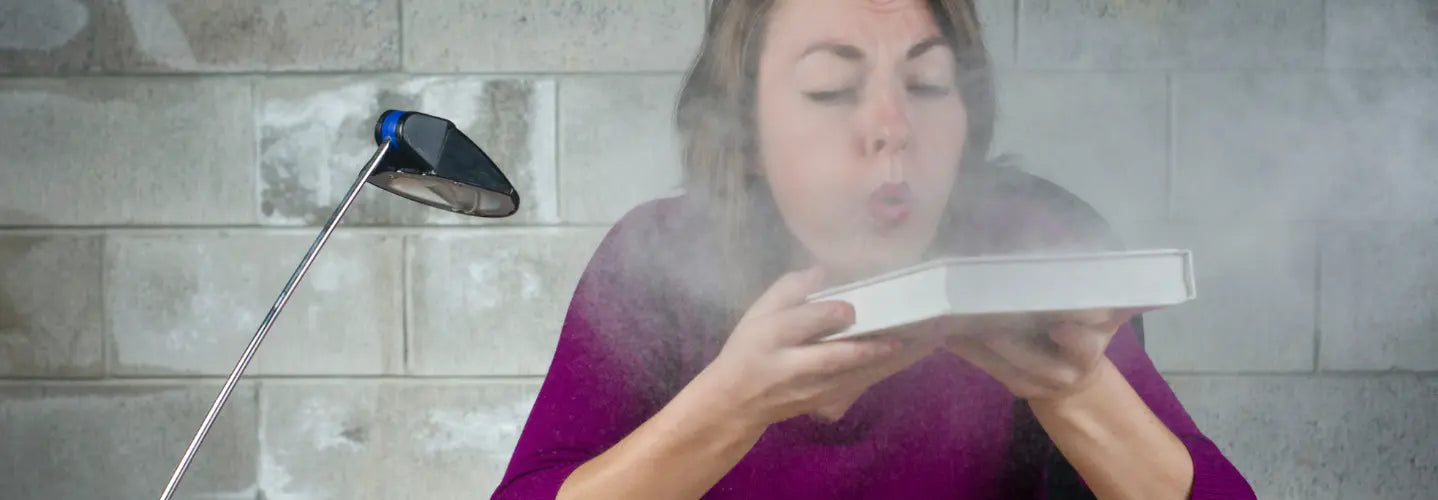
It is a cold, still evening. The fire is not yours, but the smell of wood smoke has made its way into the hallway and you can notice it in the bedroom too. You shut the window, yet the smoky smell is already inside.
A suitable air purifier can help reduce airborne smoke particles in the room where it is running. What it cannot do is stop outdoor smoke entering the building in the first place. The most useful response is to limit new smoke coming in, focus filtration on the room you are actually using, and keep the purifier running through the smoky period.
If this happens regularly in winter, our air purifier range for NZ homes is worth exploring, especially when you want dedicated particle filtration rather than simply masking the smell.
When the smoke is outside but the smell is already in your hallway
This is a familiar winter pattern in parts of New Zealand. LAWA's Air Quality National Picture 2026 says particulate matter from burning wood and coal remains an important air-quality issue in some places, especially on colder winter days and nights when there is little wind to disperse it. LAWA also identifies towns where winter woodsmoke contributes to higher PM2.5 levels.
That matters because the smoky smell you notice and the fine particles moving with that air are not quite the same problem. You can smell smoke before you know how much fine particulate matter is present, and a room can keep holding smoke particles after the obvious smell starts to fade.
Consumer NZ's current air-purifier testing also treats smoke removal as a separate performance measure, alongside dust and VOC removal. In other words, smoke is a real filtration job, not just an odour problem.
First, stop adding more smoke indoors
If the outside air is smoky, close windows and external doors that are letting it in. If a ventilation or cooling system has a fresh-air intake, use recirculation where that is appropriate for the system. Keep the room comfortable, but avoid bringing in more outside air while conditions are poor.
It also helps not to create extra particles indoors at the same time. Burning candles or incense, smoking, high-smoke cooking and vacuuming without HEPA filtration can all add more airborne particles while you are trying to clear the room.
An air purifier works best as part of that approach. It filters the air that reaches it, while closing off obvious smoke entry points reduces the amount it has to deal with.
Make one room your cleaner-air room tonight
When smoke is drifting in from outside, it is usually more practical to protect the bedroom, lounge or other room where you are spending the evening than to expect one portable purifier to clean an entire house.
Choose the occupied room, close its windows and unnecessary doors, then place the purifier where air can move freely into and out of it. For a fuller setup guide, see our advice on where to put an air purifier in an NZ home.
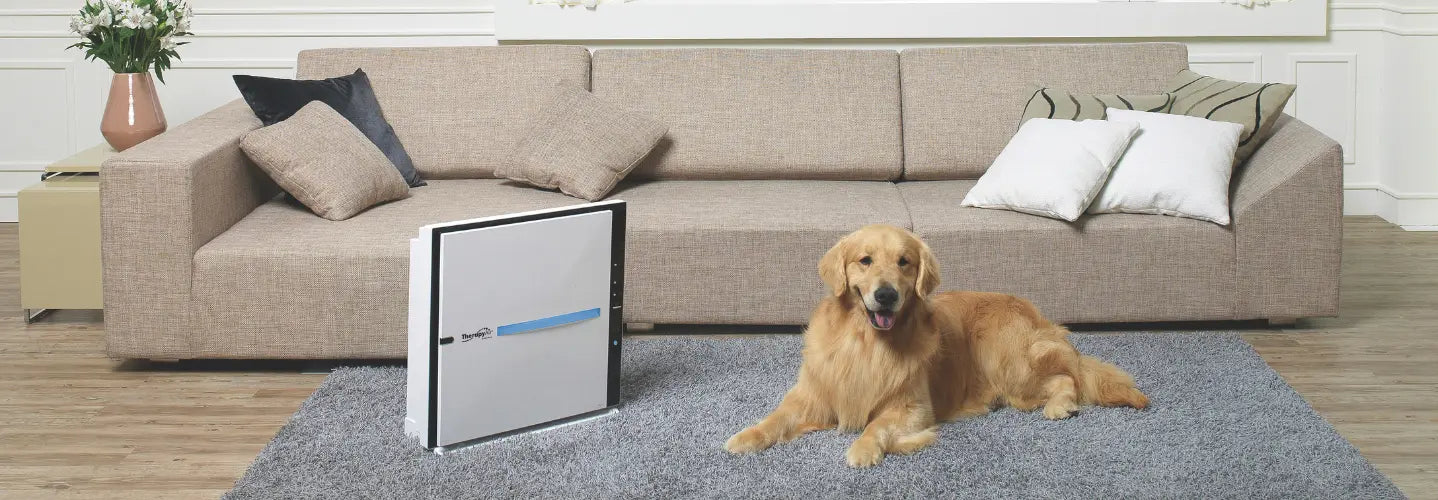
This is where Therapy Air Ion is worth considering. It is designed as a room air-purification system with dedicated filtration stages, a listed maximum purification capacity of 328 m³/h, and features that suit evening use.
Smoke particles and smoke smell need different filters
For wood smoke, think of two separate jobs happening inside the purifier.
HEPA filtration is mainly about particles. Fine airborne smoke particles are carried through the room air. A HEPA filter is designed to trap particles as air passes through it. Therapy Air's replacement H13 HEPA filter specifically lists smoke particles among the airborne particulates it is designed to capture.
Activated carbon is mainly about odours and selected gases. That is a different job from particle filtration. Therapy Air's activated-carbon filter is intended for odours. It can help reduce smoke smell as air passes through the filter, but no carbon stage should be treated as a guarantee that every trace of smoke odour will disappear.
That particle-plus-odour combination is what we look for when someone asks about a wood burner smoke air purifier. A strong particle filter handles the fine material in the air, while carbon gives the purifier a separate stage for the smell.
Inside Therapy Air on a smoky night
Therapy Air Ion uses a five-stage filter system: antistatic, antibacterial, HEPA, anti-allergenic and activated carbon. On a smoky evening, those stages have different jobs rather than doing the same thing five times.
The earlier stages help deal with larger and smaller airborne material before the air reaches the later filters. The H13 HEPA stage is the important particle stage for smoke, and the activated-carbon stage is there for odours. That gives the system both dedicated particle filtration and a separate odour stage in one unit.
Therapy Air lists a maximum purification capacity of 328 m³/h, 47 W power consumption, an operating noise range of 21 to 46 dB, and Bedtime Mode for quieter night-time use.
For a room affected by outdoor smoke, we believe Therapy Air is worth considering because it combines serious particle filtration, an activated-carbon odour stage, useful listed purification capacity and practical quiet-use features. It keeps working on the room air passing through it while you keep new smoke entry to a minimum.
How hard should you run it while smoke is building?
Filtration depends on moving room air through the filter. While the outside smoke is still finding its way indoors, use a stronger practical airflow setting when you can, because more room air passing through the filter gives it more opportunity to capture particles.
Keep the purifier running through the smoky part of the evening rather than switching it on for a few minutes and expecting the whole room to be reset. Doors opening, small leaks around windows and normal movement through the house can keep introducing more smoke.
At bedtime, noise matters because the best purifier is one you can actually keep using. Therapy Air's listed 21 to 46 dB operating range and Bedtime Mode are useful here. You can keep filtration going in the room without turning the night into an appliance-noise contest.
When the outside air clears
Later in the evening, or the next morning, the outdoor conditions may improve. That is the point where ventilation becomes useful again. If local air quality is better and the smoke has cleared, opening the room to cleaner outdoor air can help freshen the space.
These tools have different jobs. Closing up reduces new smoke entry while outside air is poor. The purifier filters room air while the smoky period continues. Ventilation becomes helpful again when the air outside is cleaner.
That sequence is more useful than treating an air purifier as something that has to solve every part of the problem on its own.
After several smoky nights, check the filter
A filter that has been processing smoky air night after night can load faster than one used in cleaner conditions. If airflow seems reduced or the filters look heavily loaded, it is worth checking them rather than judging performance only by whether you can still smell smoke.
Therapy Air's replacement filter set contains the main replacement filter stages, including the HEPA and activated-carbon filters. The current recommendation is replacement once per year, with frequency depending on air-pollution levels. Regular smoke exposure is one reason to pay closer attention to filter condition, but we would not invent a separate smoke-only replacement interval.
For the fuller maintenance picture, see our guide to how often to replace an air purifier filter. Keeping the filter in good condition helps maintain airflow and gives each filtration stage the best chance to do its job.
Common questions
Do air purifiers help with wood burner smoke?
Yes. A suitable air purifier can help reduce airborne smoke particles in the room where it is running. It works best when you also limit new smoke coming in from outside.
What type of air purifier is best for smoke?
Look for strong particle filtration, ideally HEPA, plus an activated-carbon stage if smoke odour is also a concern. The purifier also needs enough airflow for the room where you plan to use it.
Does a HEPA filter remove wood-smoke particles?
Yes. HEPA filtration is designed to capture fine airborne particles as air passes through the filter. Therapy Air's H13 HEPA filter specifically lists smoke particles among the particulates it is designed to capture.
Will an air purifier remove smoke smell?
It can help reduce smoke smell if it includes an activated-carbon or other suitable odour filter. Carbon does a different job from HEPA, and complete odour removal is not guaranteed.
Should I run an air purifier overnight when wood smoke is outside?
If smoke is still outside and getting into the home, keeping a suitable purifier running in the occupied room overnight can help continue particle filtration. Use a setting that gives useful airflow while remaining comfortable for sleep.
Can one air purifier clean a whole house during smoke?
Usually it is better to think room by room. Portable air purifiers are most useful when they are matched to the room or area where people are spending time, rather than assuming one unit will clean an entire house.
Where should I put an air purifier when smoke comes in from outside?
Put it in the room you are using, with enough open space around the air intake and outlet for air to move freely. Keep smoky windows and doors closed while outside conditions are poor.
Do filters need changing sooner if there is regular wood smoke?
They can. Heavy or repeated smoke exposure may load filters faster, so check filter condition and airflow more often. Follow the product's replacement guidance rather than relying on a fixed smoke-specific interval.
Next steps
If outdoor smoke regularly finds its way into the room where you sleep or spend winter evenings, a room-focused purifier with serious particle filtration, an odour stage and useful airflow is worth considering. Therapy Air Ion brings those pieces together with its five-stage system, H13 HEPA filter, activated-carbon stage and quiet-use features.
You can compare our room air-purification options and choose the setup that best fits where you spend your time when winter smoke settles in.
References
- LAWA Air Quality - National Picture 2026, published 5 June 2026.
- Consumer NZ air purifiers, updated August 2026.
- US EPA Indoor Air Filtration, current guidance on portable air cleaners and smoke filtration.